29 Jun 2026·7 min read
A Lifetime of Watching People
From behind a camera, behind the decks, on a stage, across a table. Different rooms, same study. What twenty-plus years of watching taught me about what people actually need.
From behind a camera, behind the decks, on a stage, across a table. Different rooms, same study. What twenty-plus years of watching taught me about what people actually need.
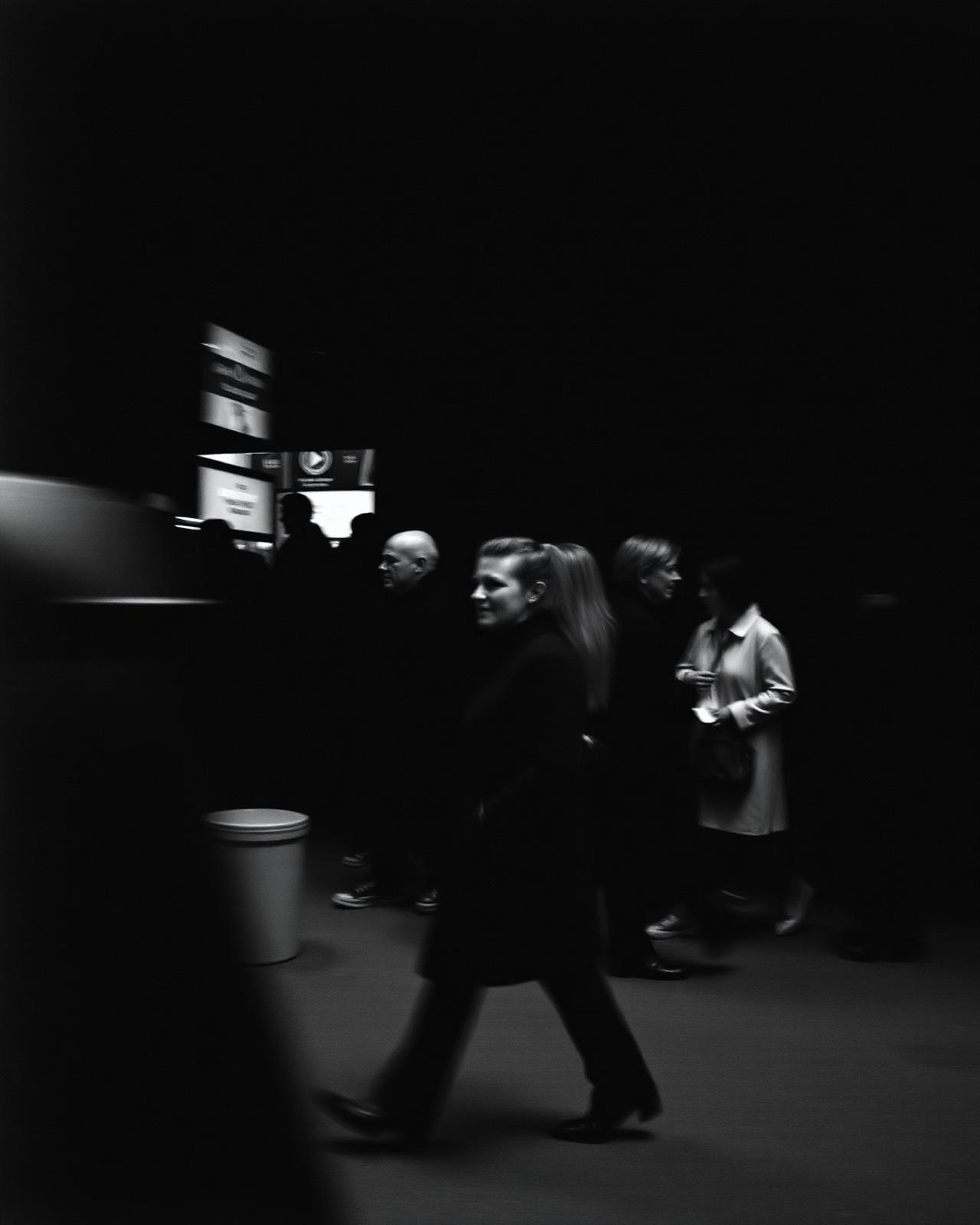
I have made a living, in one form or another, by watching people.
Behind a camera at three thousand weddings and family shoots. Behind the decks in packed rooms where the lights dropped and the pretence dropped with them. On stages where I could see the whole room breathe together. And across a thousand quiet tables, in real conversation, where someone finally said the sentence they had been rehearsing for a decade.
Different rooms. Same study.
People think a portrait is a picture of a face. It is not. It is a picture of a nervous system. You cannot fake a jaw. You cannot fake the muscles around the eyes. You cannot fake the split second before the smile arrives.
I learned to wait for that split second. The one where the performance drops and the person shows up. Almost every meaningful photograph I have ever taken lives in that half-second.
Almost every meaningful moment in coaching does too.
A dance floor is the most honest room in the world. Nobody there is worrying about what you think of them. They are too busy being fully inside their own body for the first time all week.
I watched thousands of people rediscover joy at two in the morning who could not access it at two in the afternoon.
That gap — between the version of you the world sees Monday to Friday and the version of you your body remembers on a dance floor — is one of the most important questions a person can ask themselves. Nobody ever asks it. Because to ask it is to admit the answer.
Stand in front of a thousand people and you will feel, almost instantly, whether the room is with you or ahead of you or somewhere else entirely. It has nothing to do with volume. It is a physical hum.
Every person you sit across from in a room, or in a coaching session, has that same hum. It tells you exactly where they are before they have said a word. Most people have simply lost the ability to read it in themselves.
And then there is the oldest tool. Two humans, one table, no phone, real time.
Over the years I have sat across from single mothers on their last thread, CEOs with private planes and no private life, artists, addicts, priests, criminals, dukes, and dealers. The surface changes wildly. Underneath, the requests are astonishingly similar.
People want to be heard without being fixed.
People want to be seen without being judged.
People want to be met without being managed.
That is the entire brief.
I do not think I chose coaching. I think coaching is simply the honest name for what I have always been doing. Watching people. Waiting for the split second. Naming what I saw.
Everything else — the camera, the decks, the stage — was training.
This is the work.
No noise, no marketing, no funnels. Just the next piece of writing when it's ready.