03 Aug 2026·3 min read
The Art of the Second Look
The first story we tell about ourselves is often the most polished and the least true. The real work begins with the second.
The first story we tell about ourselves is often the most polished and the least true. The real work begins with the second.
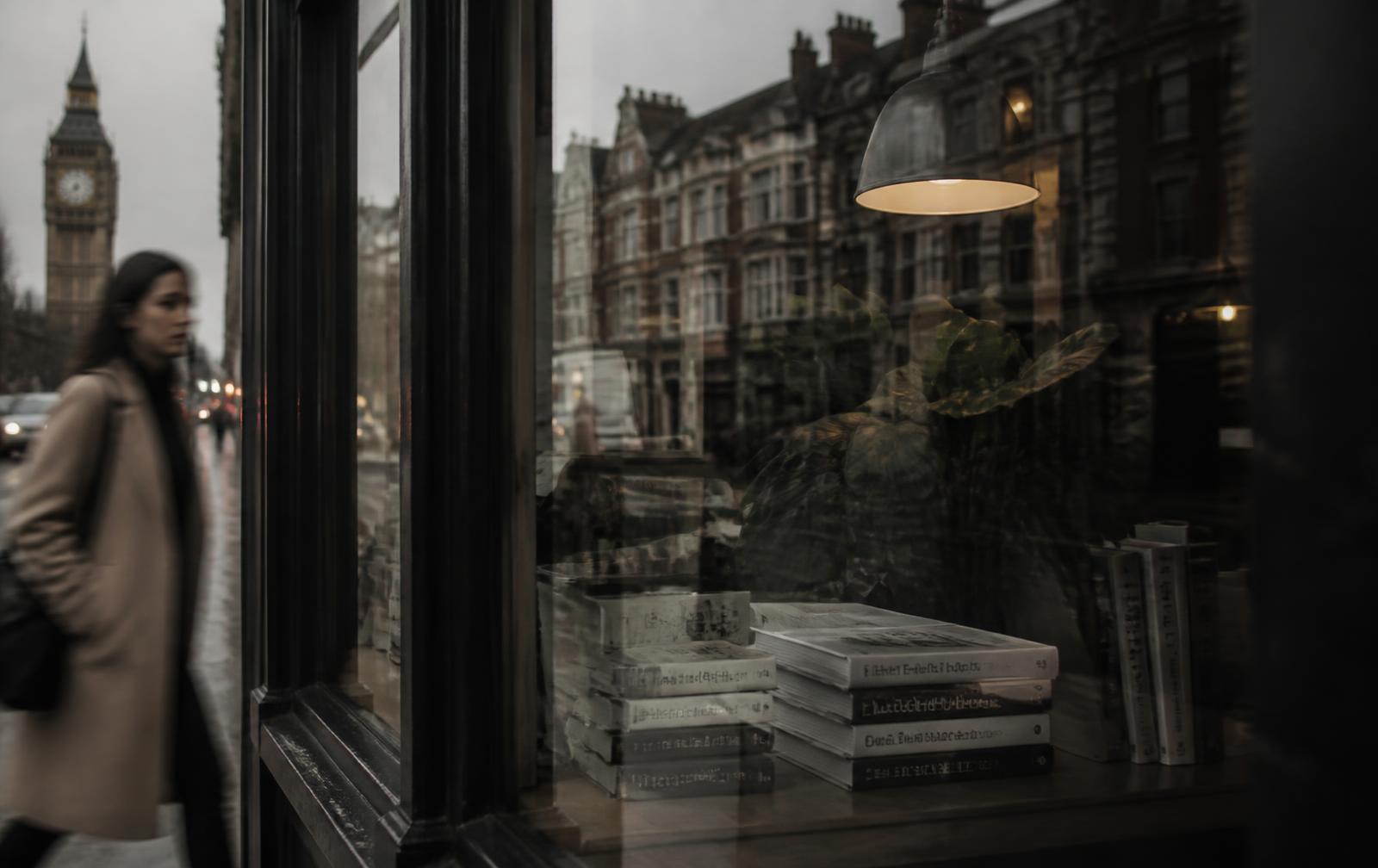
As a photographer, you learn this lesson early. You arrive at a wedding, a boardroom, a private dinner. There is always a first shot. The obvious shot. The one everyone expects you to take. The wide angle of the room, the handshake, the couple at the centre of it all. You take it, of course. You have to. It is the established truth of the event.
But the real work has not yet begun.
The real work starts when you lower the camera. When you watch. When you ignore the noise and look for the quiet moments in between. The father of the bride, alone for a second, looking at his daughter with a lifetime in his eyes. The CEO, after the deal is signed, staring out of the window, not in triumph but in exhaustion. The pause before the laughter.
The best photograph is rarely the first one. It is the second, third, or tenth. The one that comes from a slight shift in position. From waiting a few seconds longer than anyone else. From seeing the story that lies just outside the main frame.
People bring their first story into a coaching conversation. It is well-rehearsed. Polished over years of telling it to colleagues, to partners, to themselves. It is a story of competence, of achievement, of rational decisions. A narrative of a life that makes sense on paper.
They list their successes. The companies built, the exits managed, the sabbaticals earned. They explain the logic of their choices.
My work is to listen to that first story. To honour it. It is true, in its own way. It is the photograph everyone expects.
But then, the work begins.
The work is to create a space for the second look. To ask the question that tilts the frame. Not "What did you achieve?" but "How did it feel?" Not "What's the next logical step?" but "What do you want?"
The first story is for the world. The second is for you.
A man I worked with described a career of flawless ascent. Board seats, respect, a beautiful home. His voice was steady. His account was seamless. But his hands were clenched. We spent our time not on his next acquisition, but on what his hands were telling him.
The second look is not about finding fault. It is not an interrogation. It is an act of attention. It is noticing the colour of a person's voice when they talk about their childhood. It is sitting with the silence after they describe a great success. It is seeing the relief that washes over them when they are finally allowed to say something that does not fit the official narrative.
Something like, "I am tired."
Or, "I am not sure what any of this was for."
Or, simply, "I miss my children."
These are the moments that do not appear in the press release. They are the quiet, human truths that live in the shadows of a well-composed life. And giving them light, giving them space, is the only way to begin composing a new picture. One that feels as good as it looks.
No noise, no marketing, no funnels. Just the next piece of writing when it's ready.