02 Jul 2026·6 min read
The Camera Was Never the Point
Twenty years behind the lens taught me the same lesson every good coaching session teaches. It has nothing to do with the equipment.
Twenty years behind the lens taught me the same lesson every good coaching session teaches. It has nothing to do with the equipment.
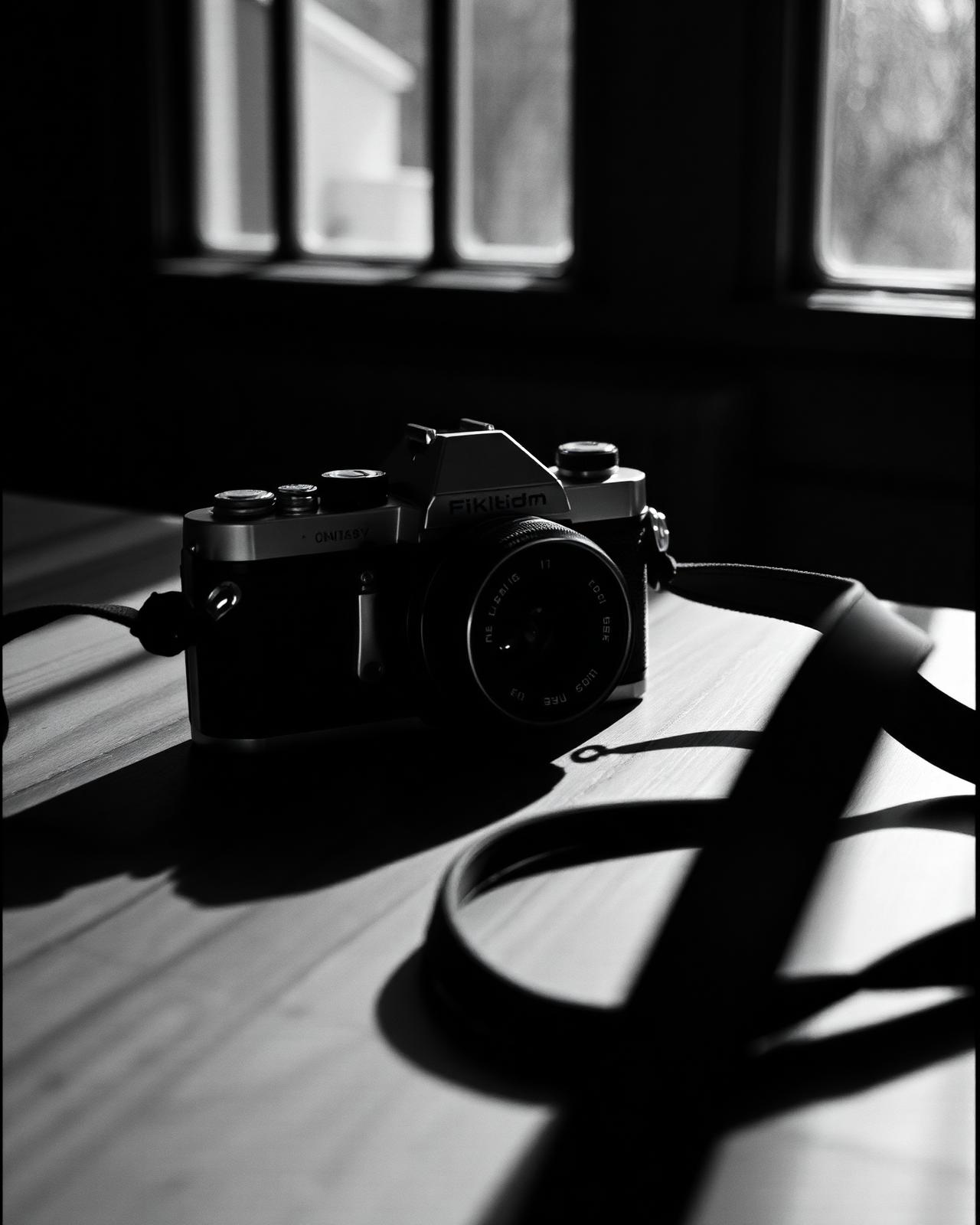
For two decades I was paid to notice.
Brides. Boardrooms. Backstage. A hand on a shoulder half a second before the speech. The precise moment a father realises his daughter has grown up. The tiny, involuntary softening in a CEO's face when they finally stop performing.
People assumed I had a good eye. I had something rarer. I had patience.
Here is what nobody tells you about being a photographer. The camera is a decoy. It is a permission slip to stand still in a room where everyone else is moving and to look — really look — at what is actually happening.
Coaching is the same trick.
The hour we spend together is a decoy. It looks like a conversation. It is really an excuse to stop, to slow the shutter of your own life, and to notice what has been quietly composing itself around you for years.
A wedding album is not a life. It is a choice about which two hundred moments, from a hundred thousand possible ones, deserved to be kept.
Your life works the same way. You are already framing it, constantly, whether you know it or not. The story you tell about your career. The photograph you carry of your marriage. The version of your childhood you narrate to yourself on a bad Tuesday.
Most people spend their whole life with someone else's frame around their days — a parent's, a partner's, an industry's, an algorithm's. They wonder why the picture feels off. It is not the light. It is the frame.
Good coaching does one specific thing. It puts the camera in your hands.
Not mine. Yours.
You start to notice which shots you have been taking on autopilot. Which people you have been cropping out. Which chapters you have been over-exposing to please someone else. Which quiet, ordinary moments you have been walking past because they did not look important enough to keep.
And then, gently, you start to compose differently.
You stop trying to capture a life that looks impressive from the outside and start building one that feels honest from the inside.
That is the whole game. It always was.
Over the years I have watched people buy better cameras hoping to become better photographers. It never works. The lens sharpens. The eye stays the same.
The most successful people I coach have often already bought every version of the better camera. Different house. Different title. Different partner. Different city. And they still cannot understand why the photograph feels flat.
It was never the equipment.
It was always the frame.
No noise, no marketing, no funnels. Just the next piece of writing when it's ready.