02 Nov 2026·3 min read
The Last Person to Sit Down
We spend decades learning how to keep the room together, only to realise we have forgotten how to exist inside it.
We spend decades learning how to keep the room together, only to realise we have forgotten how to exist inside it.
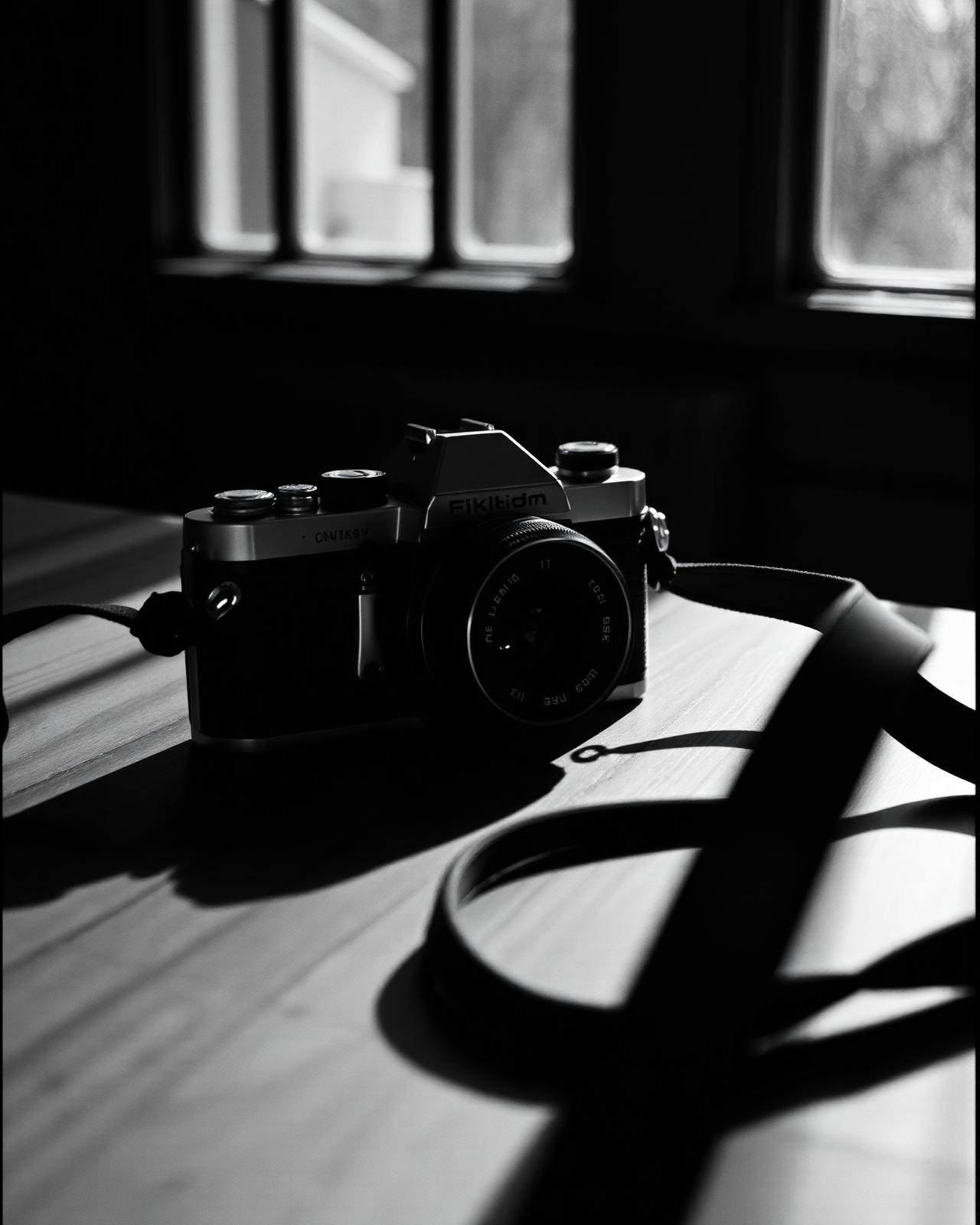
You can spot them within three minutes of entering a room.
They are rarely the loudest. They do not pace or fidget. On paper, they look like the calmest presence at the table. But watch their eyes.
Their eyes are doing inventory.
They know whose wine glass is empty. They know which conversation in the corner is about to sour. They notice the waiter hesitating by the door and the subtle tightening around their partner’s jaw. If there is music playing, they know whether the tempo is dragging.
They are hosting, even when they are a guest.
They are managing, even when they are off the clock.
They are the person who ensures the evening works, the transaction completes, the family arrives intact, and the bill is quietly settled before anyone reaches for their coat.
They are always the last person to sit down.
For fifteen years, I stood on the periphery of other people’s lives with a camera in my hands.
My job was to notice everything before it happened. A father about to swallow down tears during a speech. A bride whose smile had become rigid from exhaustion. A stray glass cluttering the edge of a composed frame.
To take a photograph that looks effortless, you have to be entirely vigilant. You cannot simply enjoy the music; you have to anticipate the breakdown. You cannot get lost in the laughter; you have to frame it.
You step outside the moment in order to preserve it.
It is an extraordinary skill. It builds careers. It builds companies, reputations, and families.
Competence is a seductive narcotic, because the world rewards you generously every time you take the weight off someone else’s shoulders.
Then you wake up at forty-five, sitting on a terrace in Tuscany or on a sofa in Holland Park, and you realise you have lost the ability to put the camera down.
Most capable people do not come to coaching because they are failing. They come because they are succeeding at a cost they can no longer justify.
They call it restlessness. Or brain fog. Or a flat, grey sense that the things that used to excite them now feel like administrative obligations.
They have spent twenty years securing the perimeter. They have built the fortress, staffed it, defended it, and paid off the mortgage.
Yet they cannot walk through their own front door without checking the hinges.
When you ask them what they actually want—not for the business, not for their children, not for the board, but for themselves—they look at you as if you have spoken in dialect.
There is a long silence. Then, usually, a joke to deflect the discomfort.
Because beneath the competence lies a quiet, terrifying premise: if they stop holding the frame, everything inside it will collapse.
The hardest discipline for a high-functioning adult is not resilience. They have resilience in abundance. They can endure sleepless weeks, brutal negotiations, and emotional turbulence without showing a crack.
The hardest discipline is surrender.
Not surrender in the dramatic, white-flag sense. But the micro-surrender of letting a conversation lag for four seconds without rushing to rescue it.
The surrender of letting someone else make a mistake and not fixing it before anyone notices.
The surrender of sitting in a chair, feeling the weight of your own body against the leather, and having nothing whatsoever to manage.
When I sit opposite these clients, my work is rarely about adding new strategies to their ledger. Their ledgers are already overflowing.
It is about creating a space where they do not have to hold the room.
For sixty minutes, the door is shut. The temperature is fine. Nobody needs their counsel, their capital, or their composure.
At first, their shoulders stay up by their ears. They scan the bookshelf. They check their watch. They look for the leak in the boat.
Then, slowly, the breath changes.
The posture shifts from vigilance to presence. The administrator leaves the room, and the human being sits down.
It is the moment they realise that the ceiling does not fall when they rest their hands. The world keeps spinning without their intervention.
And for the first time in twenty years, they are finally in the picture, rather than standing behind the lens.
No noise, no marketing, no funnels. Just the next piece of writing when it's ready.