24 Aug 2026·3 min read
The Power of The Unfilled Hour
For the person whose diary is a fortress, the most courageous act is often an empty afternoon.
For the person whose diary is a fortress, the most courageous act is often an empty afternoon.
***
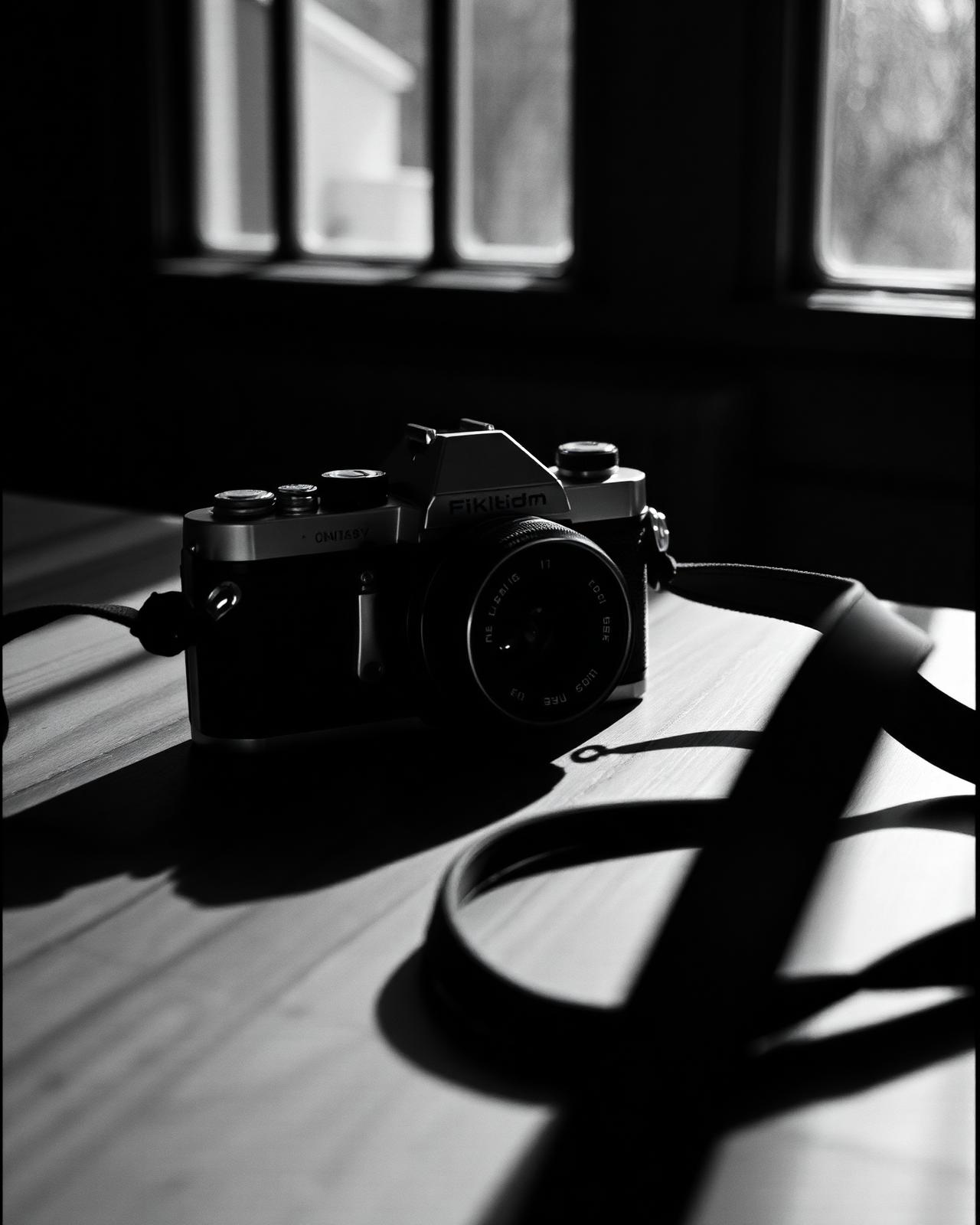
In photography, we talk about the frame. Everything inside the four edges of the photograph.
There is a tendency, for the beginner, to try and fill it. To cram in as much as possible. The subject, the background, the foreground. More detail. More colour. More life. The result is often a picture that is loud, but says very little. It is exhausting to look at.
The master photographer learns the value of what is not there. The negative space. The simple sky above the building. The clean wall behind the portrait. This space is not empty. It is what gives the subject its power. It tells you where to look. It gives the image room to breathe.
I see people who have forgotten this.
They have built lives that are entirely full frames. Their calendars are masterpieces of efficiency, Tetris blocks of meetings and calls and commitments, scheduled from the first coffee to the last email. There is no empty space.
This looks, from the outside, like a life of immense importance. It feels, from the inside, like being a passenger.
When every moment is filled, there is no time for integration. There is only accumulation. You attend the board meeting, but have no space to process its implications. You take the flight, but have no time to absorb the change in scenery. You consume information constantly, but never allow it to settle into wisdom.
Life becomes a blur of action without reflection. A constant state of transmission, with no time to receive.
This is the quiet exhaustion I witness so often. The dissonance between a life that looks successful, and a life that feels deeply unfamiliar. As if it belongs to someone else.
The person living it is often the last to realise. They are too busy.
When we begin our work together, one of the first things we often discuss is the diary. Not to make it more efficient. But to find the gaps. Or, more often, to create them.
The suggestion of scheduling an hour with nothing in it can feel absurd. Frivolous. Even irresponsible.
I once worked with a man who ran a significant family office in Mayfair. A man for whom every fifteen-minute increment was accounted for, fought over. The idea of blocking an afternoon for ‘nothing’ was met with genuine disbelief. It felt like a dereliction of duty.
But he did it.
For the first few weeks, it was uncomfortable. He would fill the time with errands, with calls he ‘forgot’ he had to make. He was practising avoidance. But then, one Tuesday, he just walked. From his office, through Green Park, with no destination.
He told me later that, for the first twenty minutes, his mind was a riot of obligations. A storm of mental lists. But then, a quiet. And in that quiet, a thought he’d been avoiding for months about his eldest son rose to the surface. Not as a problem to be solved. Just a truth to be seen.
That was the beginning.
This is not idleness. It is not an absence of productivity. It is an act of reclamation. The unfilled hour is not a void. It is a vessel. It is the space where the quiet thoughts arrive. Where the pattern is finally noticed. Where you remember who you are, away from all the noise.
It is where the picture finds its meaning.
No noise, no marketing, no funnels. Just the next piece of writing when it's ready.