19 Oct 2026·3 min read
The Problem With Smooth
The most capable people are often the most lost when they finally face a problem that cannot be solved by capability.
The most capable people are often the most lost when they finally face a problem that cannot be solved by capability.
***
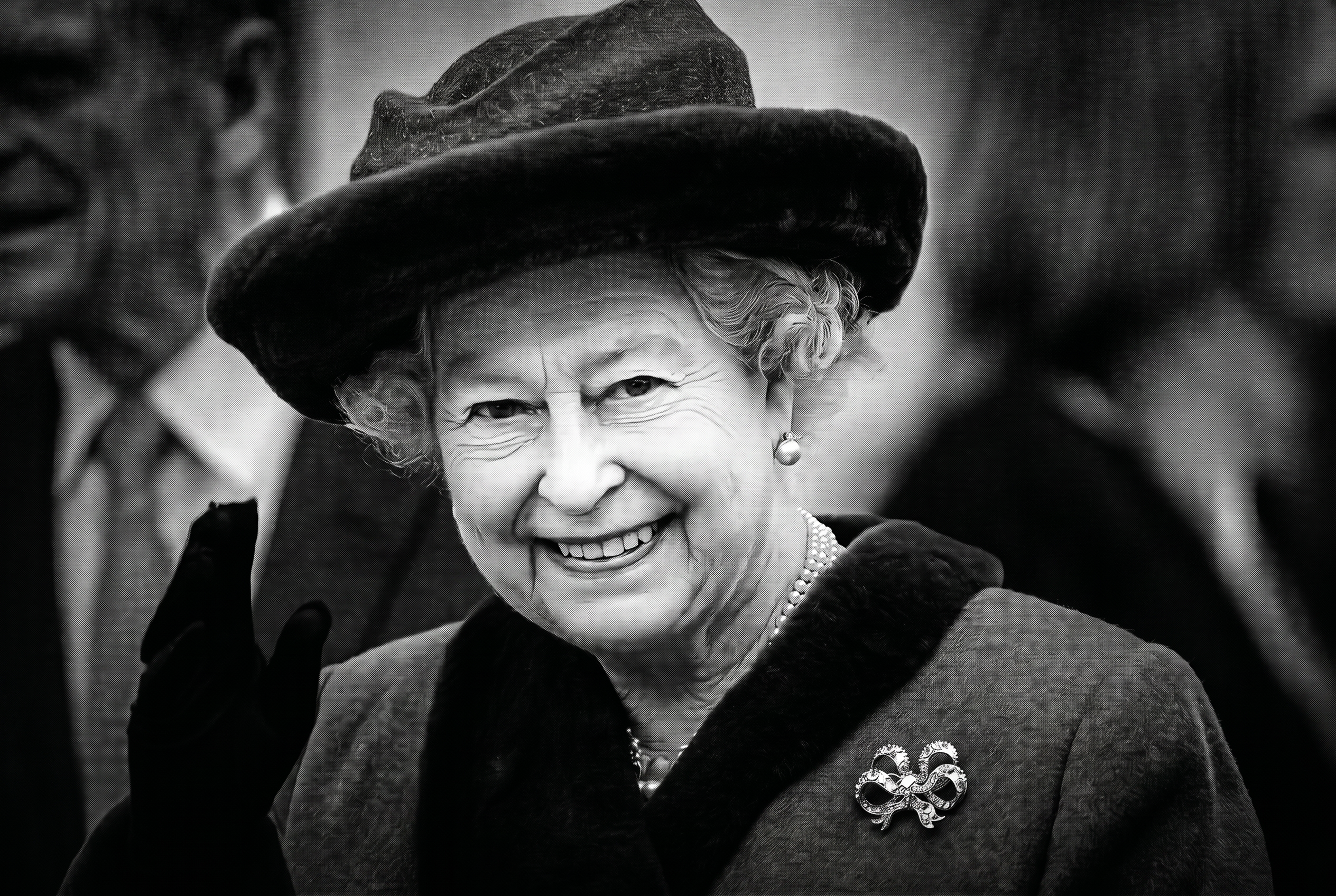
I saw it for decades, stood at the edge of a room with a camera.
The person who organises everything. The one who chairs the board, flies the plane, negotiates the exit. The one everybody turns to when things get difficult.
Their lives are an exercise in controlled competence. From the outside, the surface is perfect. Not a ripple. Everything is handled. Everything is optimised. They build remarkable careers, beautiful families, enviable lives. They are masters of the external world.
They are very good at solving problems that have solutions.
And then a problem appears that does not.
It is not a business deal gone wrong. It is not a logistical challenge. It is not something that can be delegated, strategised, or overcome with force of will.
It is a feeling. A question. A quiet but persistent dissonance between the life that has been built, and the person living inside it.
A scratch appears on the smooth surface.
And all the tools that worked so brilliantly on the outside world are suddenly useless. You cannot create a spreadsheet to manage a crisis of meaning. You cannot convene a committee to resolve a feeling of emptiness. You cannot out-work your own reflection.
This is often when my phone rings. Not because a life is falling apart. But because, for the first time, it feels like it could.
The work is not to polish the scratch away. It is to understand what the scratch is trying to show you.
As a photographer, my job was to frame the moment. To choose the composition, the light, the focus. To create a definitive image from an infinite number of possibilities.
The work I do now is similar. But the frame is a life.
We do not talk about goals or key performance indicators. We talk about what is being ignored. What is being felt but not spoken. What is sitting just outside the current frame.
Often, the most successful people have the narrowest aperture. Their focus is so tight on the next objective that they fail to see the rest of the scene. The context. The colour. The shadows.
My role is not to provide answers. The people I work with have more than enough answers.
My role is to provide a quiet space.
A space to put down the heavy tools of competence. A space to look at the scratch, not as a flaw, but as an opening. A place to ask a different kind of question.
And to simply listen to what comes back.
No noise, no marketing, no funnels. Just the next piece of writing when it's ready.