26 Oct 2026·3 min read
The Suspicion of Peace
When everything is finally in order, the capable mind does not rest. It scans the room for the fire it must have missed.
When everything is finally in order, the capable mind does not rest. It scans the room for the fire it must have missed.
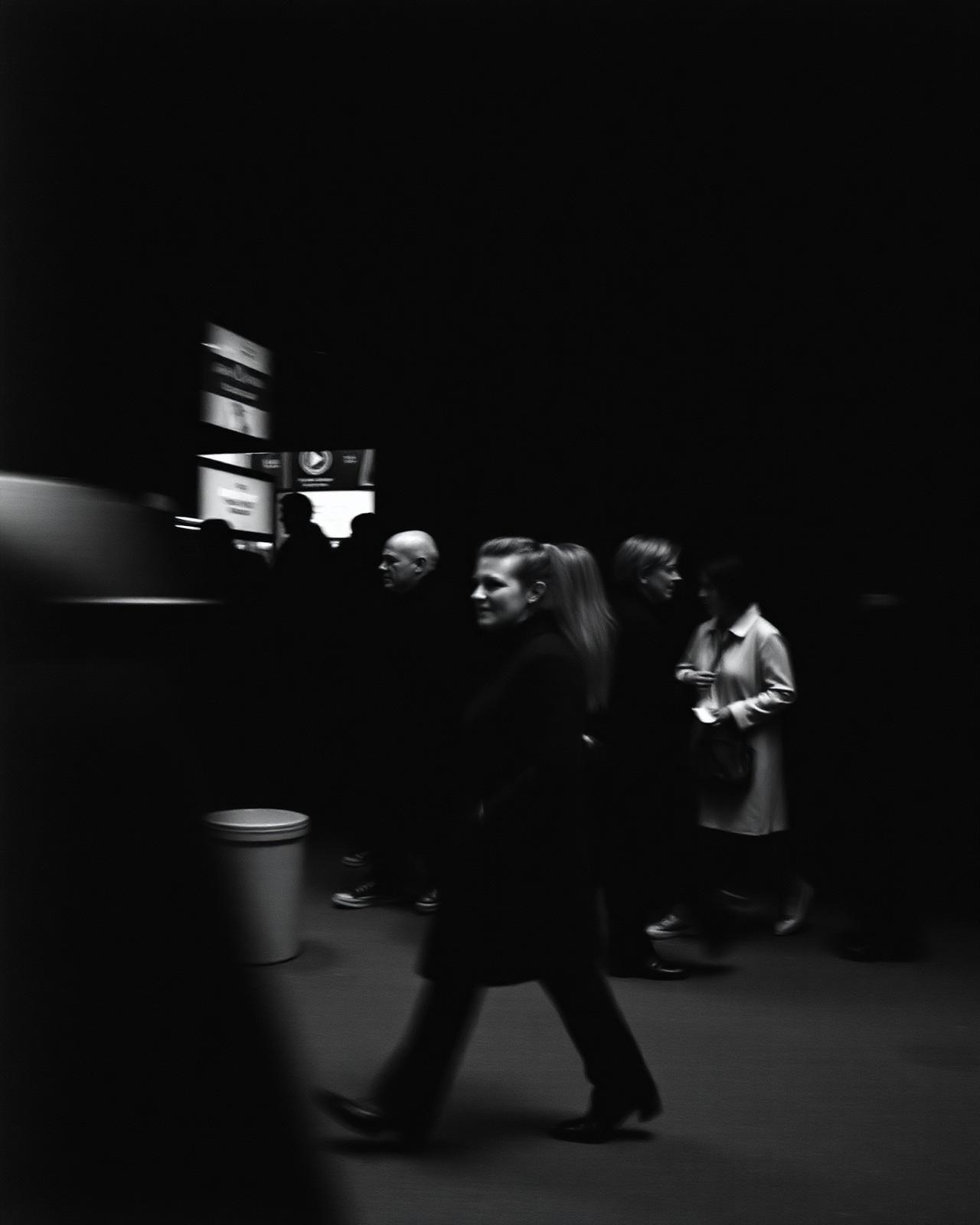
Behind a camera, you learn to watch the hands.
Faces lie easily. People spend their entire adult lives learning how to compose a jawline, how to smile with the mouth while the eyes remain flat, how to project an easy authority into a room of two hundred people. But the hands almost always give them away.
At high-stakes weddings, ten minutes before the ceremony, everything would occasionally run entirely to schedule. Hair was finished. The cars had arrived. The buttonholes were pinned. The room would fall quiet.
Almost without fail, that was the moment someone began to panic.
They would pace the parquet floor. They would check the mirror four times in ninety seconds. They would demand to know where the spare cufflink was, or interrogate a bridesmaid about the order of the readings.
They were not anxious about the marriage. They were terrified of the silence.
I see the same posture in my coaching room in London every week.
A client sits in the chair opposite me. On paper, the landscape is serene. The transaction went through in November. The board is quiet. The family is healthy. The calendar for the coming Friday is, for the first time in perhaps fifteen years, largely white space.
They look at me as though they are waiting for a diagnosis.
"I feel unsettled," they say. "I think I need a new project."
They do not need a new project. What they are experiencing is the phantom limb of an emergency.
For two decades, their value was tied directly to their ability to absorb shock. They were the one who took the late-night call, who restructured the debt, who steadied the nervous team, who carried the heaviest bag up the hill without complaining. They built their entire identity around resilience.
When resilience becomes your only instrument, you begin to perceive peace as an administrative error.
If nothing is currently breaking, the capable mind does not conclude that all is well. It concludes that it has overlooked something fatal.
Vigilance is a habit that pays well until it bankrupts you.
Early on, it gets you promoted. It protects you from surprises. It earns you the reputation of being the safest pair of hands in the room. You become the person who sees around corners.
The trouble is that the nervous system does not understand the concept of an exit strategy. It does not know that you won the contract, or that the children are safe at university, or that you have enough money in the bank to do nothing for three years. It only knows how to stand watch in the guard tower, scanning the tree line for movement.
To come down from the tower feels like dereliction of duty.
So the capable person invents a skirmish. They decide the garden needs redesigning. They pick a needless fight with a co-founder over a minor clause in a governance document. They start checking their email at five in the morning, hunting for a grievance they can fix before breakfast.
Anything to avoid the terrifying sensation of being unoccupied.
When you shoot with a wide aperture, very little of the frame is in sharp focus. You have to choose what matters and let the rest dissolve into a soft, quiet blur. Most people who run hard lives have spent decades shooting with an aperture stopped all the way down. Everything is sharp. Everything is urgent. Every corner of the frame demands equal vigilance.
It is exhausting. It is also an aesthetic failure.
A life where everything is monitored is not an accomplished life; it is merely an anxious one.
The work we do together is rarely about strategy. Capable people already know how to execute. They have read the books. They have built the systems. They know how to get things done.
The work is learning how to sit in an empty afternoon without assuming the roof is about to collapse.
It is the discipline of noticing that the hands are clenched, unclenched them, and leaving them still on the arm of the chair. It is realising that the quiet room is not a prelude to disaster, but simply the life you worked twenty years to arrive at.
You are allowed to be there. You are allowed to take off your coat.
No noise, no marketing, no funnels. Just the next piece of writing when it's ready.