23 Nov 2026·3 min read
You Do Not Need a Tragedy
Capable people spend an extraordinary amount of energy proving they have no right to struggle.
Capable people spend an extraordinary amount of energy proving they have no right to struggle.
Almost every first conversation begins with an apology.
It is delivered quietly, usually within the first ten minutes, after they have finished pouring their water. They lay out an audit of their good fortune like a defendant presenting evidence to a magistrate.
The health of their children. The success of the firm. The house in Hampshire. The fact that the liquidity event went through without a hitch. They run through the list with practiced efficiency, as if to say: *Look. I know the arithmetic. I am aware I have no business sitting in this chair.*
Only then, once they have proven they are not ungrateful, do they lower their voice and confess that they feel utterly flat.
Capable people are terrified of self-indulgence.
They have spent decades solving complex logistics, managing boards, carrying payroll, or steering families through crises. They are the ones others lean on. Their entire identity is built upon resilience, clarity, and an instinctive competence.
Because of this, they believe suffering requires a permit.
In their minds, to feel lost, or hollow, or quietly furious with the life they built, demands a proportionate catastrophe. An illness. A divorce. A sudden collapse of capital. Without a visible wound to point to, their private exhaustion feels like bad manners.
So they police themselves. They compare their interior ache to the genuine miseries of the world and find themselves wanting. They tell themselves to get a grip. They take up cold water swimming or buy a gravel bike. They schedule their rest with the same aggressive discipline they use to prepare for a pitch.
And nothing shifts.
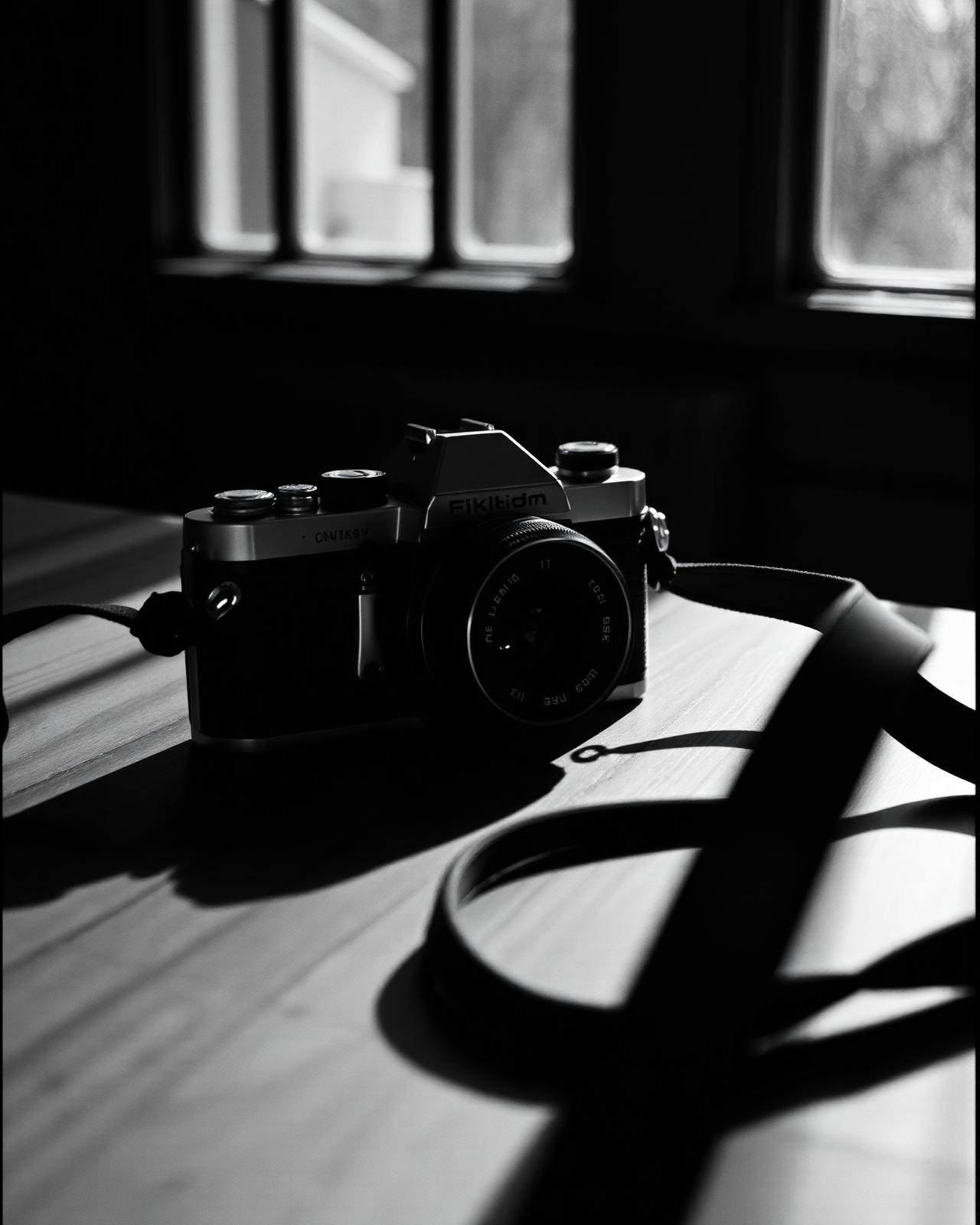
For twenty years, I watched people through a viewfinder.
When you spend your life documenting human beings at weddings, state dinners, and private celebrations, you develop an eye for what people do with their hands when they think the shutter has already closed.
You see the bride whose smile vanishes the second she turns away from her mother. You see the father of the groom whose shoulders drop two inches the moment he steps into the corridor alone.
A camera only records what is lit. It tells you nothing about the weight of the room.
We do the same thing with our lives. We compose a picture that is technically flawless. Every element is balanced. The exposure is correct. The subjects are smiling. From the outside, it is an enviable composition.
Yet you are the one who has to live inside the frame.
If the light looks magnificent from twenty feet away, but cold from where you stand, the photograph is irrelevant. You cannot warm your hands on how well your life looks to other people.
When a capable person finally breaks, it is rarely with a bang. There is no grand drama.
It is quieter than that. It is the realization that they have become a spectator to their own success. It is waking up at four in the morning with a dry throat, looking at the ceiling, and wondering why the arrival feels identical to the departure.
They often say they wish something would go wrong. Just slightly. Just enough to give them an alibi. A minor scandal or a blown deal would at least offer a socially acceptable reason to lay their head on the desk and stop for six months.
You do not need a disaster to earn your fatigue.
The friction you feel is not a character flaw. It is simply the cost of living in an arrangement that no longer fits the person you have become. You outgrew the suit, but because it was made of fine cloth, you thought you were obliged to keep wearing it.
The real work does not begin when we find a solution.
It begins the moment you stop defending your right to be here.
When you put down the dossier of your blessings and admit, without qualification, that you are exhausted. That you are bored. That you do not want what you spent twenty-five years acquiring. Or simply that you do not know what comes next.
There is no tribunal. No one is checking your credentials at the door to see if you have suffered enough to warrant an hour of honest reflection.
You are allowed to put the camera down. You are allowed to look at the room as it actually is.
No noise, no marketing, no funnels. Just the next piece of writing when it's ready.